
LIP Newsletter - Q3 2026
G'day,
Welcome to your latest edition of the Liverpool Innovation Precinct Newsletter.
With summer approaching, there is plenty happening across the Liverpool Innovation Precinct. From cranes rising above the new Liverpool Boys and Girls High School site and the appointment of a new LIP Director, to opportunities to tour the new University of Wollongong Liverpool Campus and the Ingham Institute for Applied Medical Research, the precinct is buzzing.
In this edition, we also highlight a significant new science and innovation fund announced by the NSW Government, celebrate two major milestones at Liverpool Hospital as Liverpool Cancer Services marks 30 years of care and advanced CAR T-cell therapy arrives in South Western Sydney, and share a range of upcoming events and opportunities to connect with the region’s growing innovation ecosystem.
As one of Australia’s leading health, education and innovation hubs, there has never been a better time to visit the precinct and see our innovation story firsthand.
And stay tuned. In the coming weeks, we look forward to sharing details of an exciting event planned for early next year that will bring together leaders, innovators and the community to explore the future of innovation in Liverpool.
Regards,
David Borger
Cranes go up at Liverpool’s state of the art co-educational high school build
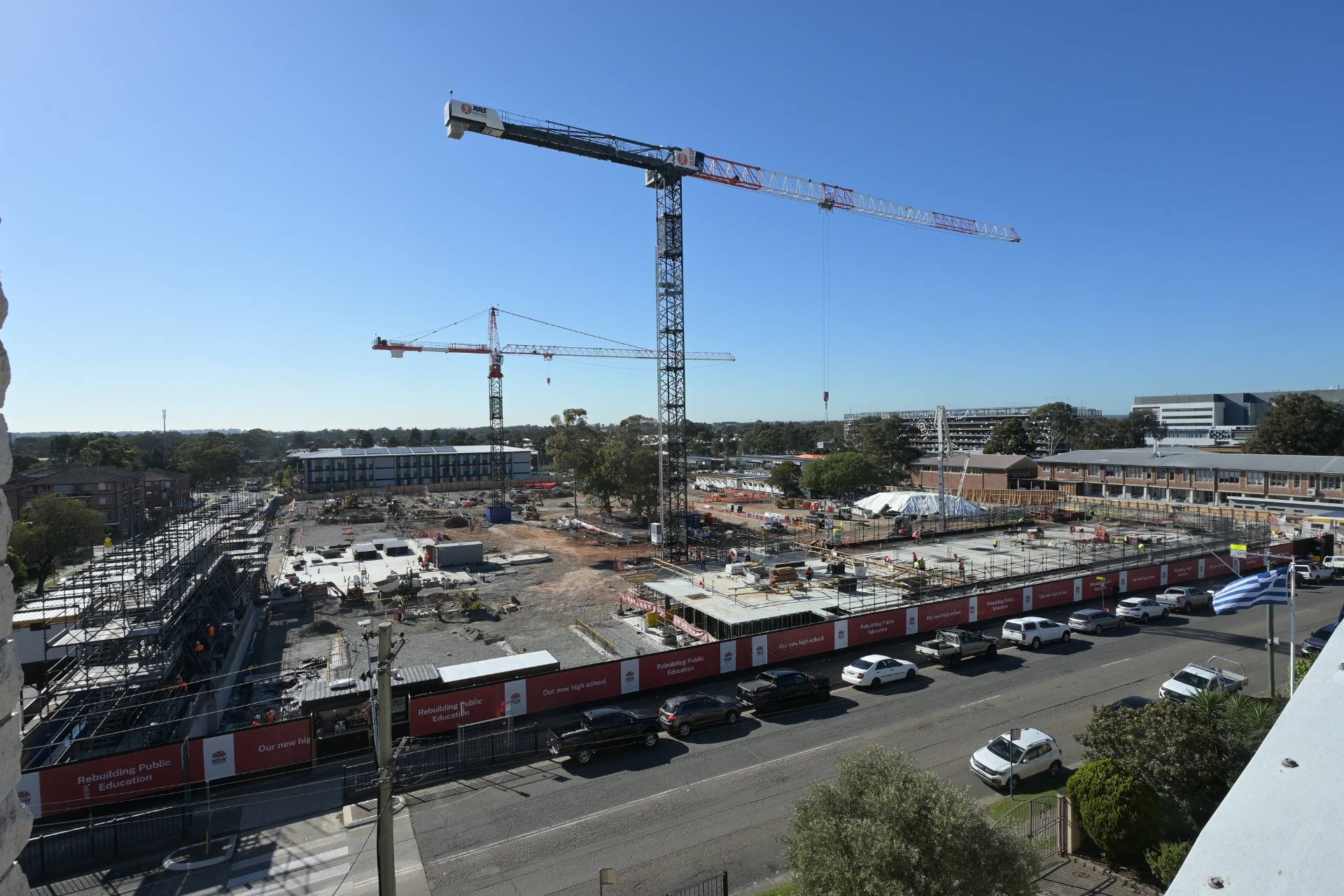
A new high school is being built in the heart of Liverpool’s CBD bringing together Liverpool Boy’s High School and Liverpool Girl’s High School into a single state-of-the-art co-educational high school campus. Earlier this month the project reached a key milestone with two cranes being erected for the build.
We sat down with LIP Steering Committee member - Peter Rouse, Executive Director, School Performance, NSW Department of Education - to ask him more about the project. Peter explained the opportunity meant local children could continue their education from local public preschools and primary schools through to a new state-of-the-art high school.
“As a co-educational campus, siblings will no longer be separated and can attend the same school and share the same educational and social opportunities,” Peter said. “This strengthened sense of community is key to successful child, family and community development.”
Peter said the school was a significant investment by the NSW Government and the Department of Education in Liverpool’s future and a key piece in the realisation of a “Cradle to PhD” vision for local young people.
“In education we often say that kids can’t be what they can’t see,” he said. “For our students, health is visible. They see the buildings, they see the workers. The investment in the new school and the strengthening of health and education partnerships within and beyond the LIP are key to the vitality and sustainability of Liverpool as a vibrant precinct.”
That is what makes the school’s location so important. It is rising next to Liverpool Hospital, close to universities, TAFE, researchers and one of Australia’s fastest-growing health innovation precincts. Students will be learning in a place where health, science, research, technology and higher education are not distant ideas, but part of the city around them.
Peter said discussions had already begun with local primary schools, tertiary partners and health organisations to support young people to transition successfully into further study or employment in local industries beyond school.
“When students can see the value of education and that opportunities are accessible and local, it becomes a win for our schools, local institutions, the community, the precinct and South West Sydney,” he said.
The benefits will also extend beyond the school day. The campus has been designed so community access can be made possible to the grounds, particularly during school holidays, opening up sporting fields, sports courts and gardens in a growing city.
For Peter, the development of a new school within a city precinct is an opportunity to activate something larger: a sense of community, hope and possibility for local families.
“Cities need infrastructure, like this school,” he said. “However when the cranes leave and the ribbons are cut, these institutions start the real work of the precinct, the work of collective purpose, activating sites for the people they serve, transforming spaces into dynamic, vibrant places where people can grow, connect with others and find purpose.”
LIP delegation strengthens Auckland ties on first international flight
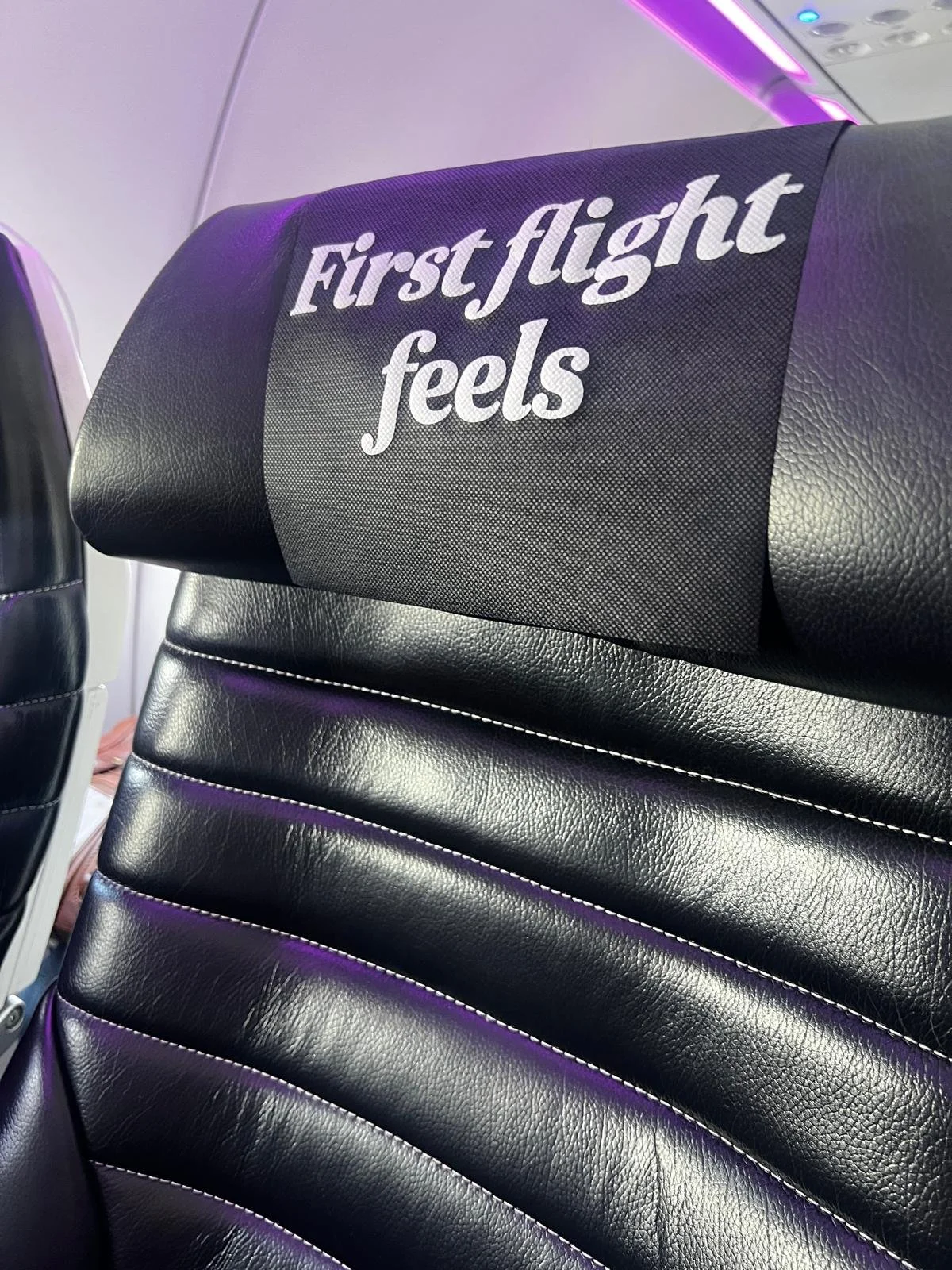
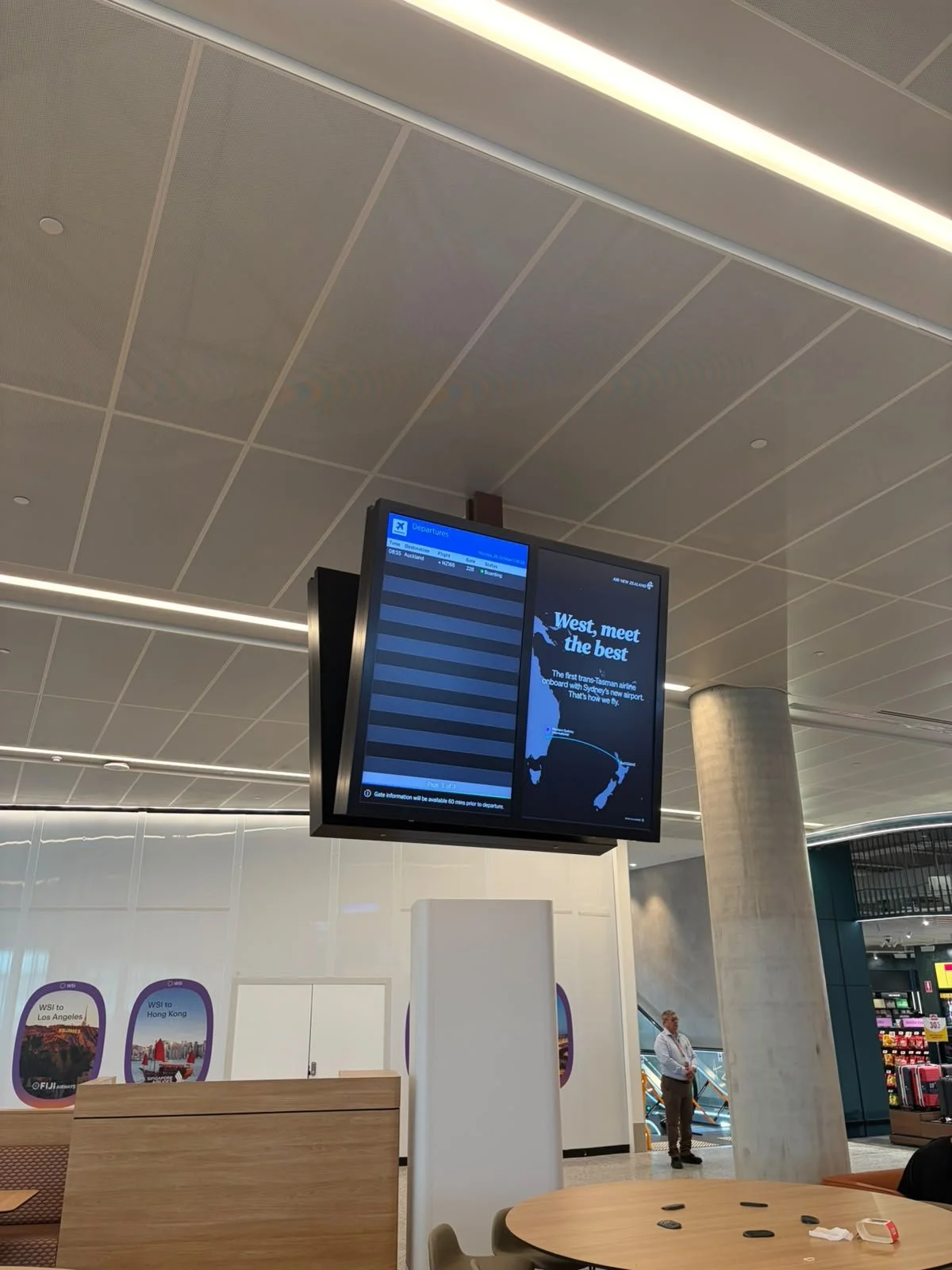
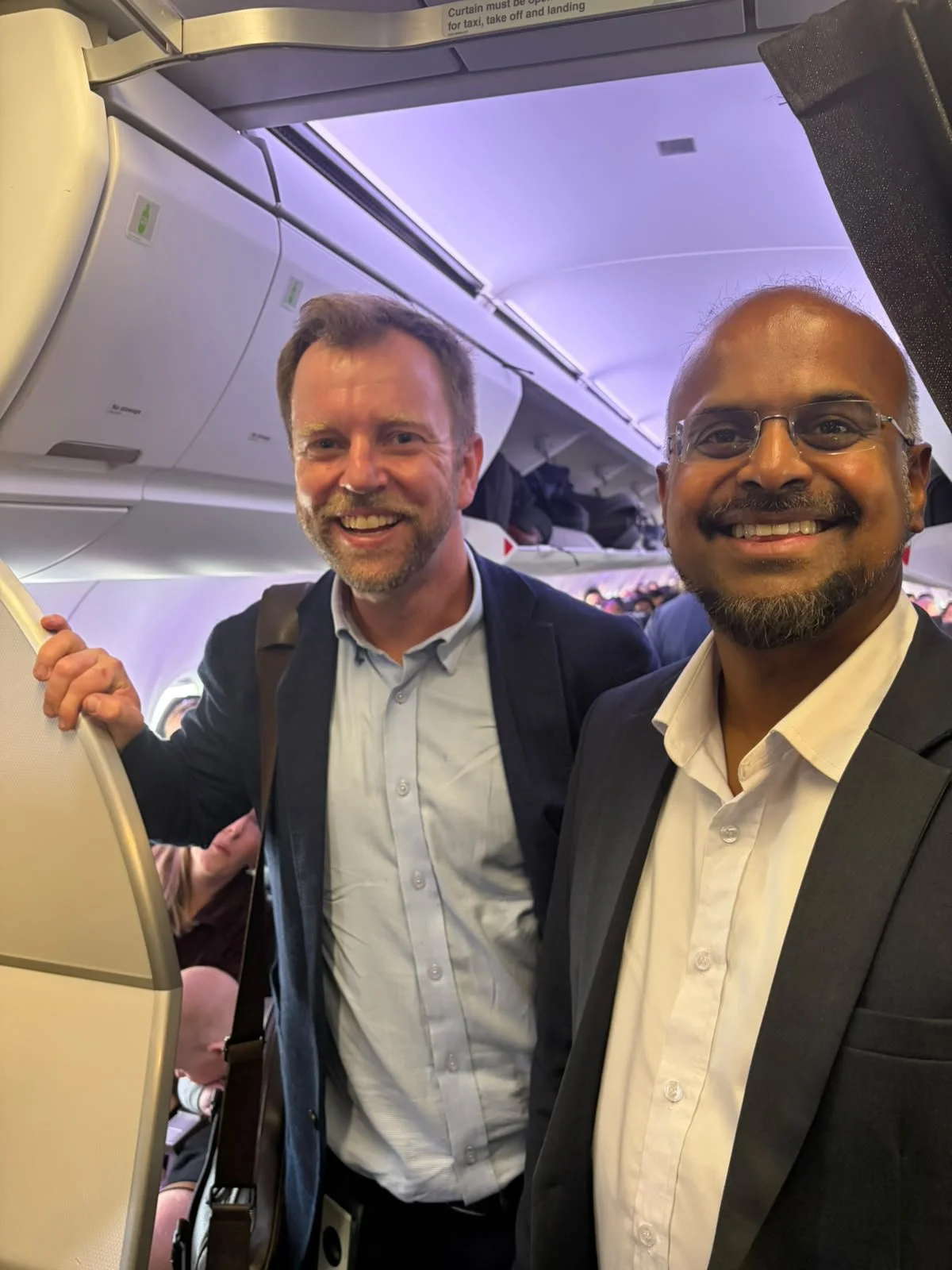
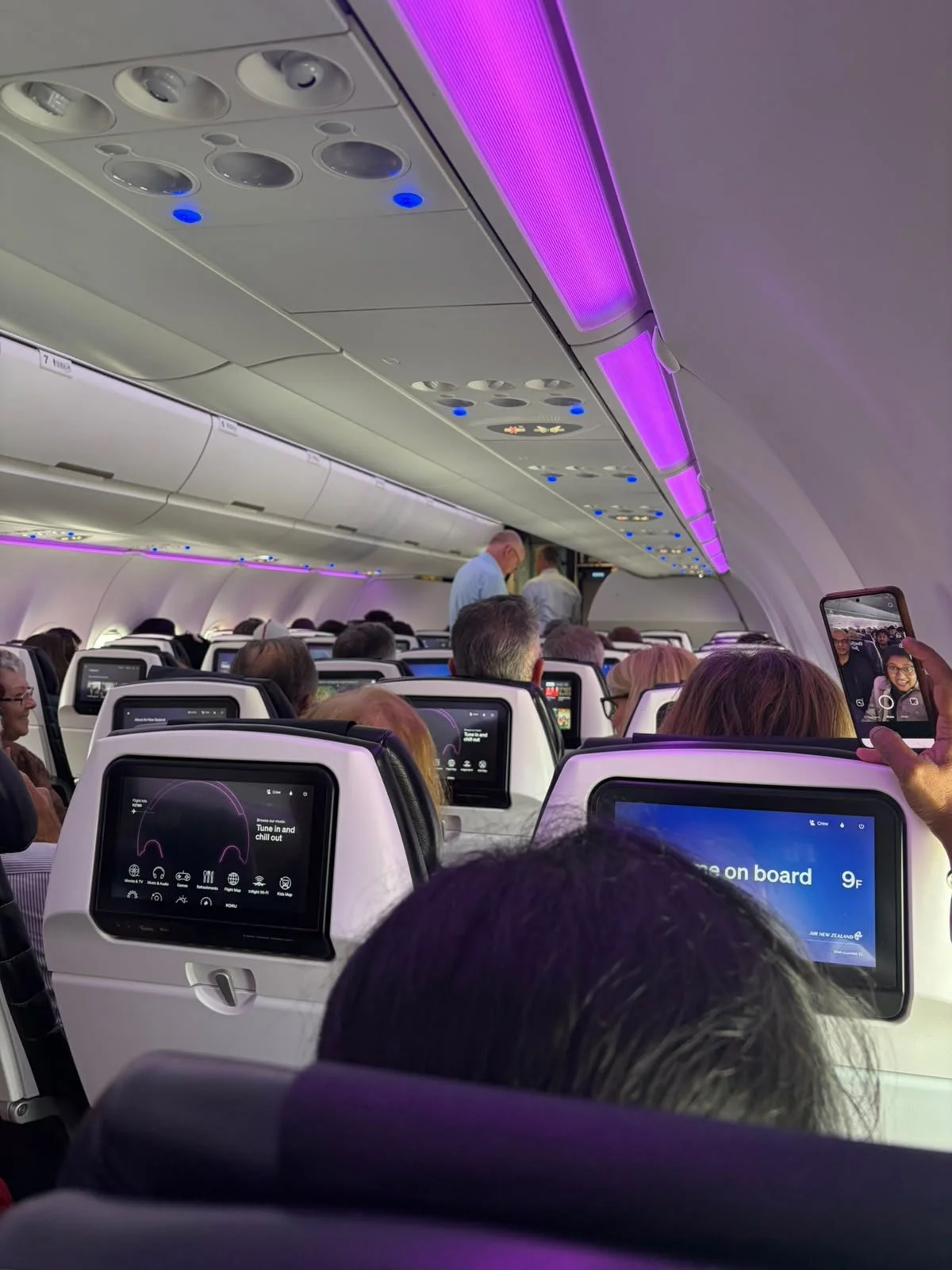
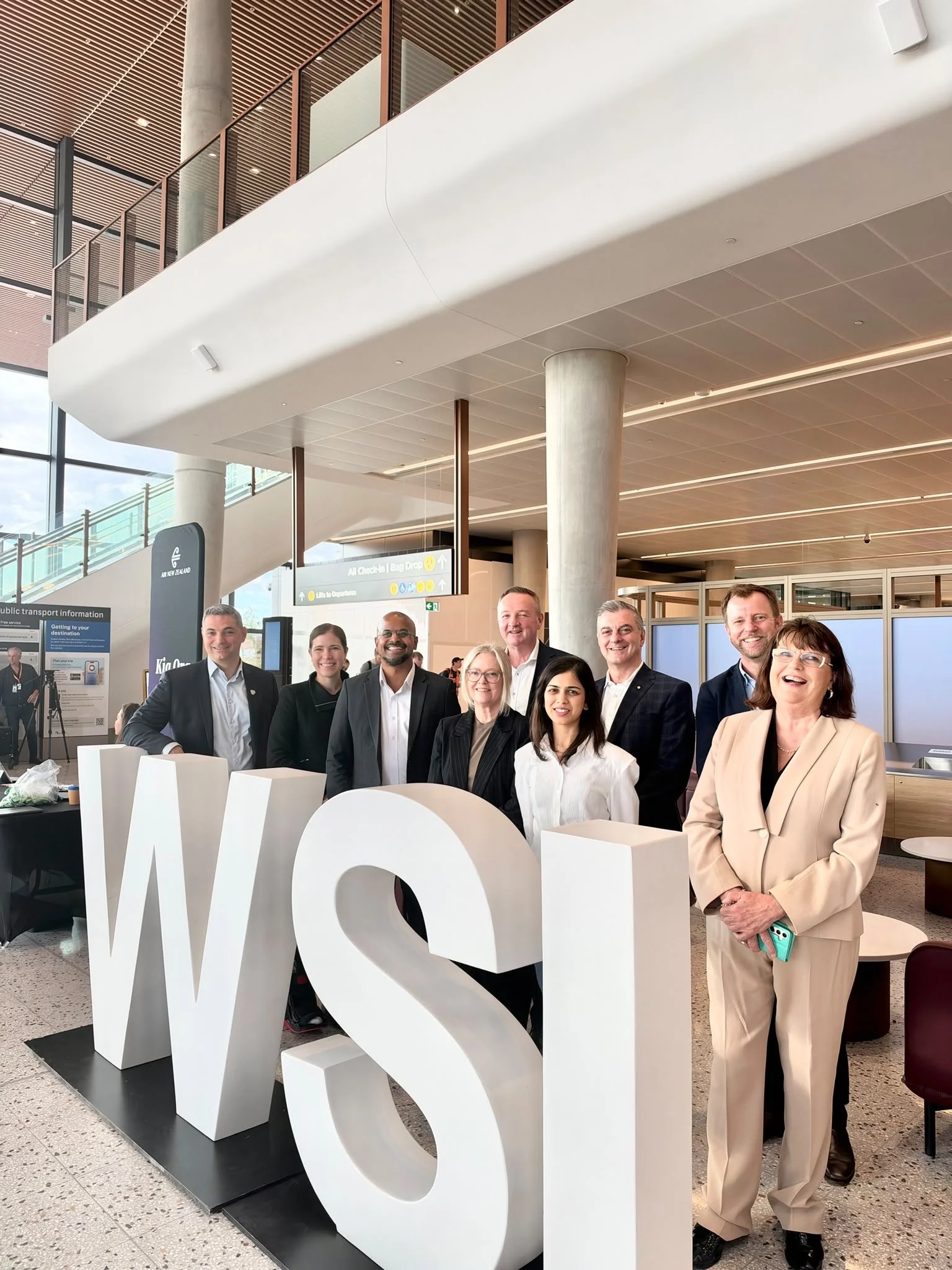
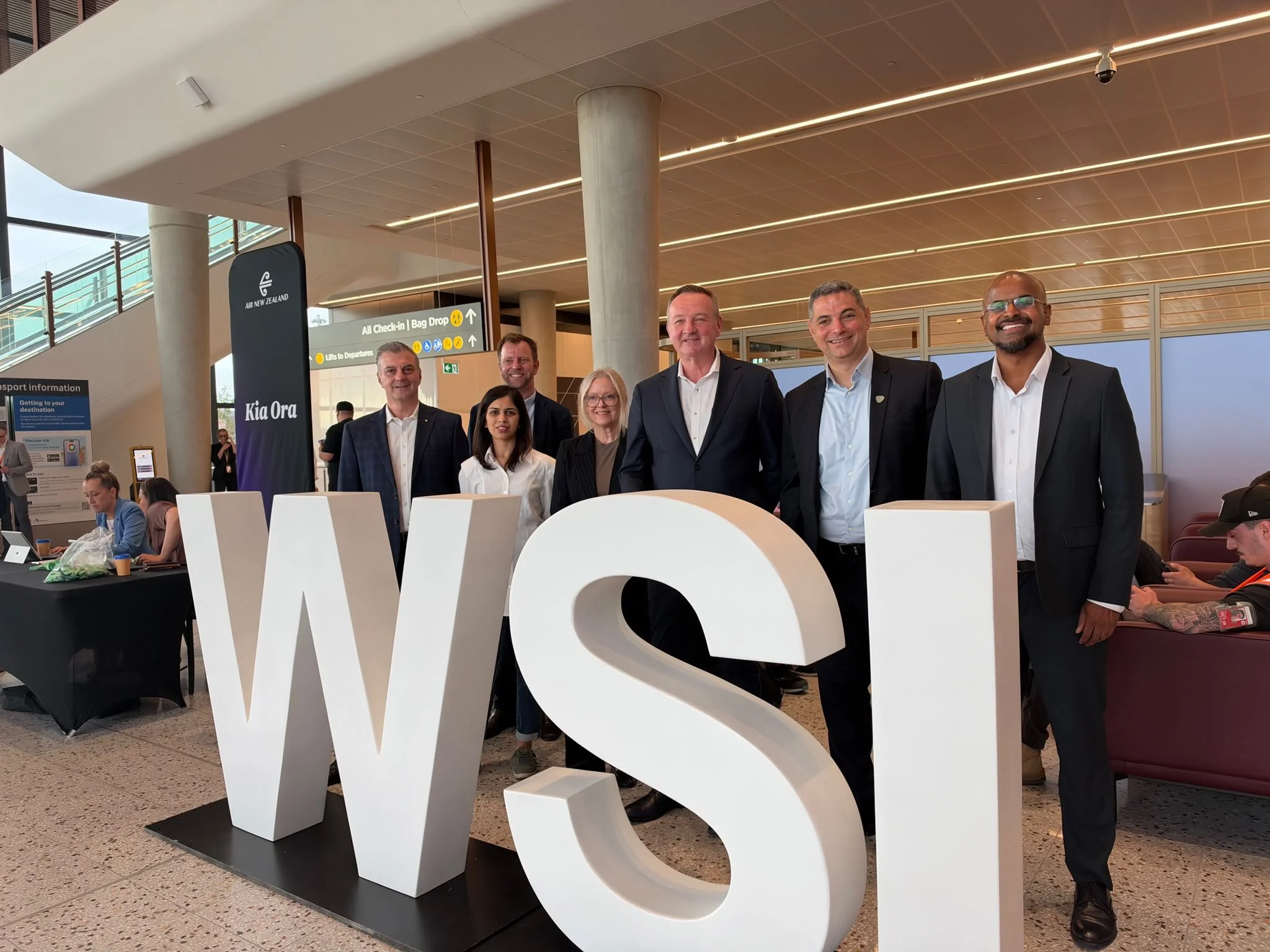
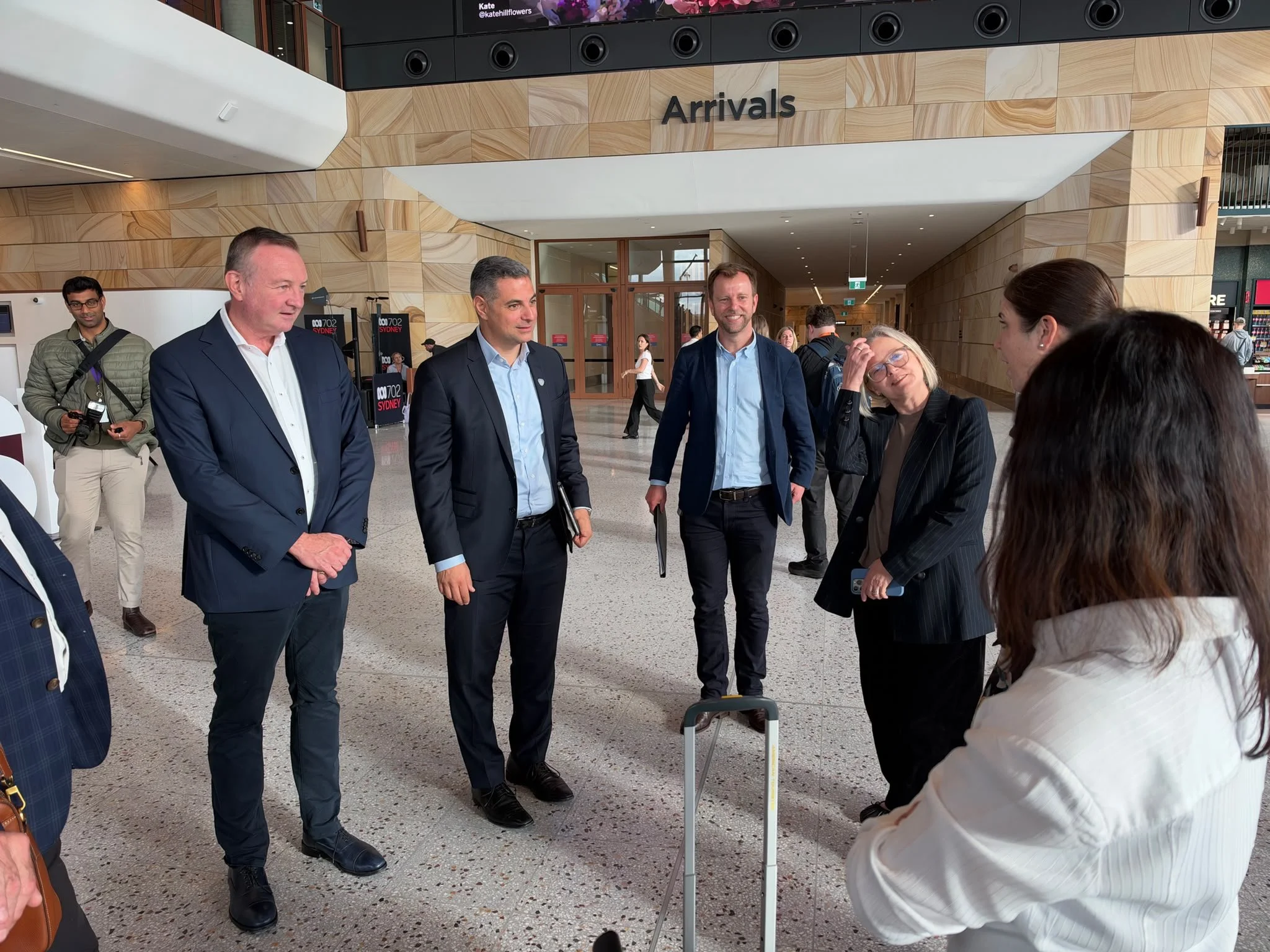
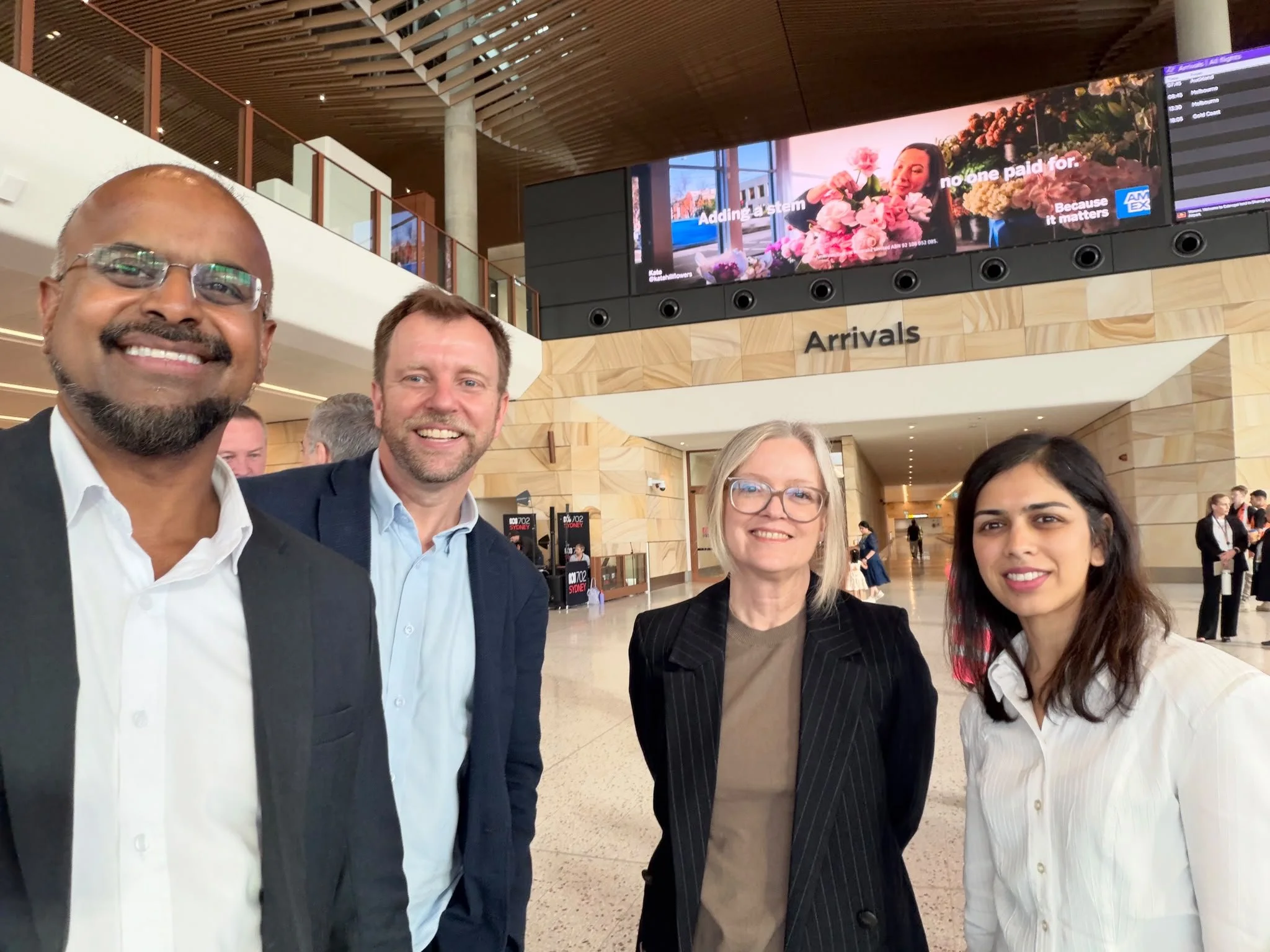
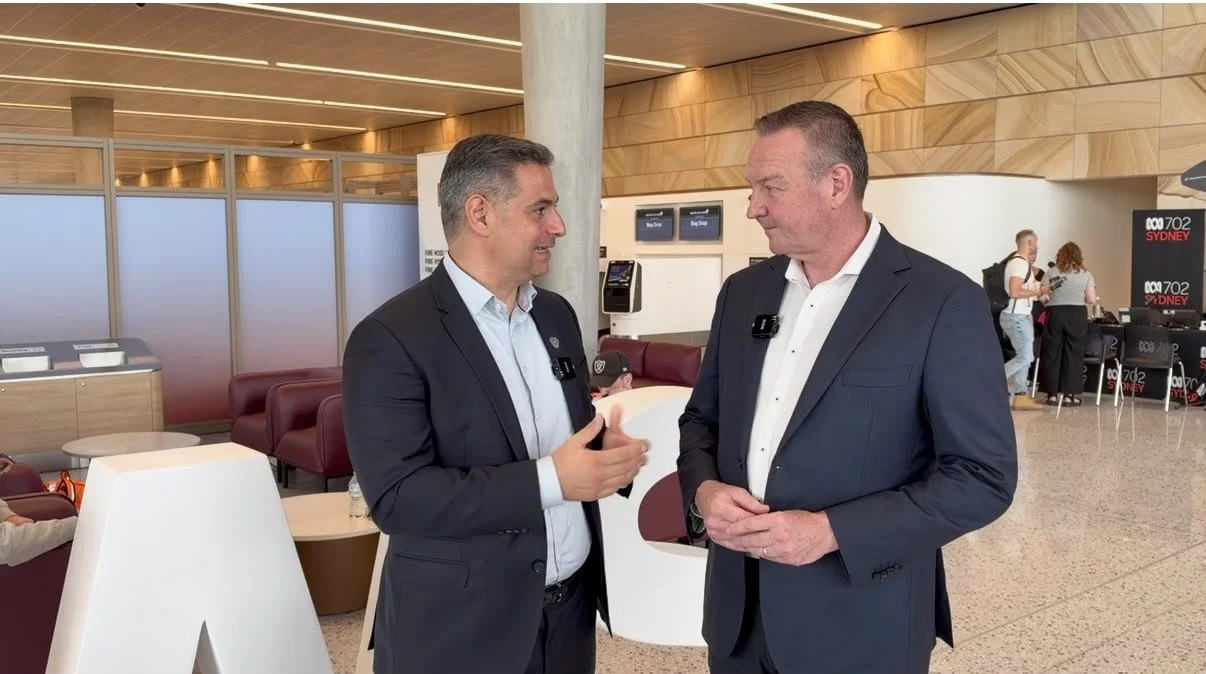
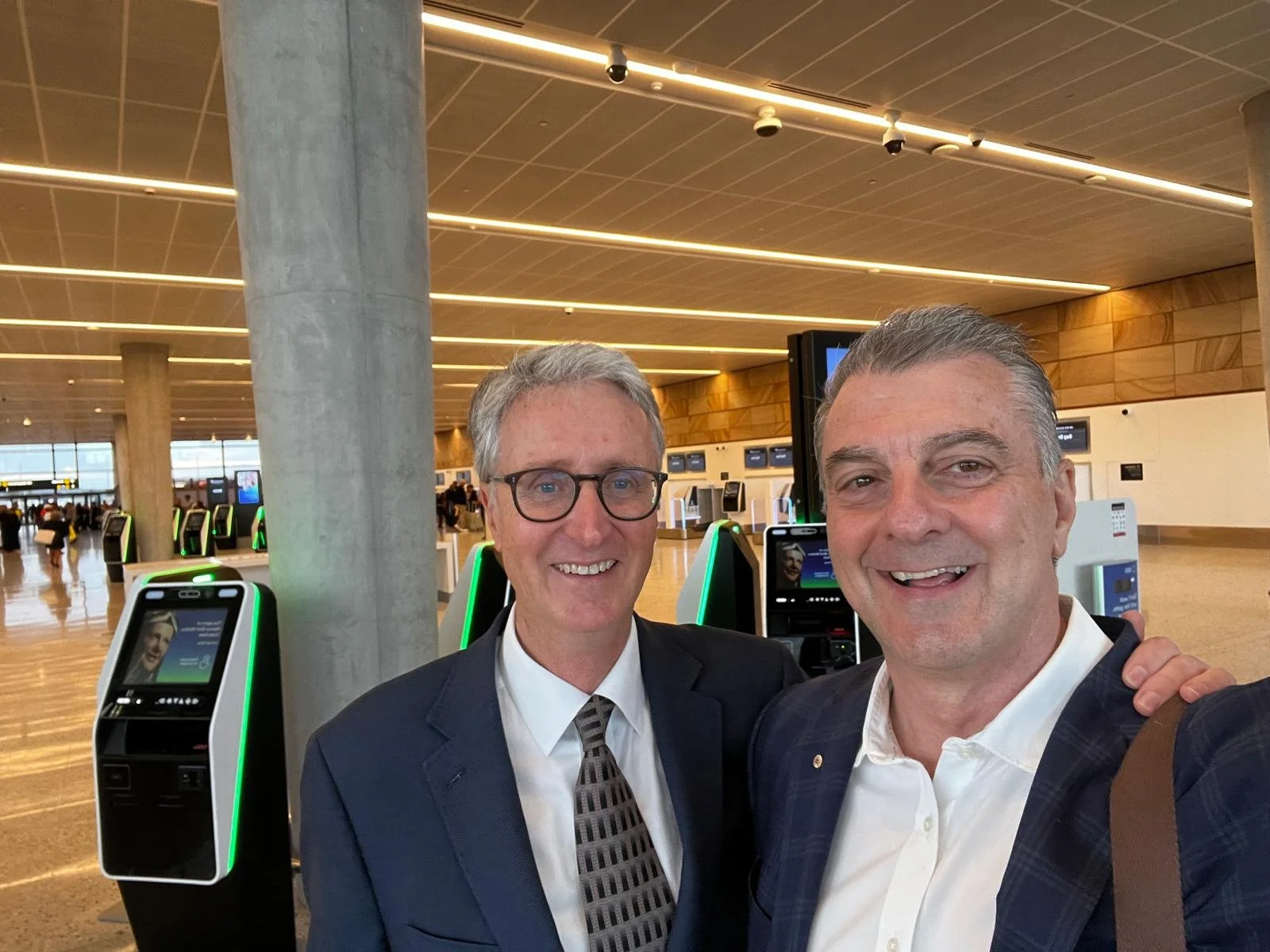
A small delegation from the Liverpool Innovation Precinct, led by Chair David Borger, left for Auckland, New Zealand, on the first international flight from Western Sydney International Airport. The delegation not only marks the opening of this catalytic piece of infrastructure in our community and the jobs and innovation it supports, but also provides an opportunity to renew and strengthen the Precinct’s special connection with Auckland. In early 2020, just before the onset of the pandemic, former Director Lance Chia led a delegation to Auckland to sign the inaugural Trans-Tasman Biobridge Agreement with the New Zealand Medical Device Technology Association.
The Biobridge Agreement has provided an important basis for collaborative research and innovation with New Zealand colleagues. This week’s delegation will seek to renew and strengthen the Agreement, including through a roundtable discussion kindly hosted by the Auckland Bioengineering Institute.
The delegation will also meet with Auckland Council, visit the Newmarket Innovation Precinct and Newmarket Business Association, meet with the University of Auckland, AUT and a range of other stakeholders and visit urban renewal projects across Auckland with particular relevance to Liverpool and the LIP. A more detailed trip report will be included in our next newsletter edition.

NSW Government science and innovation fund is a major opportunity for the LIP
The NSW Government’s recently $150 million science and innovation fund is a designed to help to strengthen the pathway from research to commercialisation by bringing government, universities, researchers, industry and investors together. The fund will initially co-invest with NSW public universities before expanding to other organisations across the innovation ecosystem too.
The commercialisation relationship between government, universities, researchers, industry and investors is central to the LIP, and this is a significant new opportunity. Liverpool already brings together major health, education and research institutions, including Liverpool Hospital, universities, TAFE, the Ingham Institute and the Perich Centre for Robotics and Health Technology. The new framework could create opportunities for LIP partners to develop stronger research partnerships, build commercialisation pathways and connect promising health and technology ideas with investment.
While the announcement does not yet identify specific funding for Liverpool, the LIP will be engaging closely with Investment NSW as the fund and its governance settings are determined prior to the initial investment round in 2027. In particular the LIP will be showcasing the precinct’s strengths and helping identify projects that could align with the fund’s focus on research translation, health innovation and emerging industries.
Ed Steane Joins as LIP Director

The Liverpool Innovation Precinct has entered a new chapter, with Ed Steane appointed as Director, Liverpool Innovation Precinct.
Ed will be known to many of you - particularly for his role at Liverpool Council from 2018 to 2020 leading the development of the Fifteenth Avenue Smart Transit (FAST) corridor. More recently Ed has been working with the NSW Government in senior leadership roles at the Greater Sydney Commission and Transport for NSW, and Ed has completed a MSc in sustainable urban development at the University of Oxford.
Ed’s appointment comes at an important time for the precinct, with work underway across education and training, health innovation, international engagement, Bradfield and the next phase of the precinct’s strategic priorities. It also provides an opportunity to recognise and thank Vy Nguyen for her work supporting LIP and helping keep the precinct’s activity moving during an important period of transition.
In his first weeks, Edward has moved quickly across the LIP work program, meeting member organisations, reviewing priorities and preparing an updated list of actions to guide the next stage of work. He has also been engaging with projects across the precinct, including the new Liverpool high school campus, the New Zealand BioBridge delegation and upcoming innovation and health events.
The role will be central to keeping LIP focused, connected and delivery-oriented as partners look to strengthen Liverpool’s position as a health, education, research and innovation precinct.
Heads of organisations meet to shape Liverpool’s innovation future
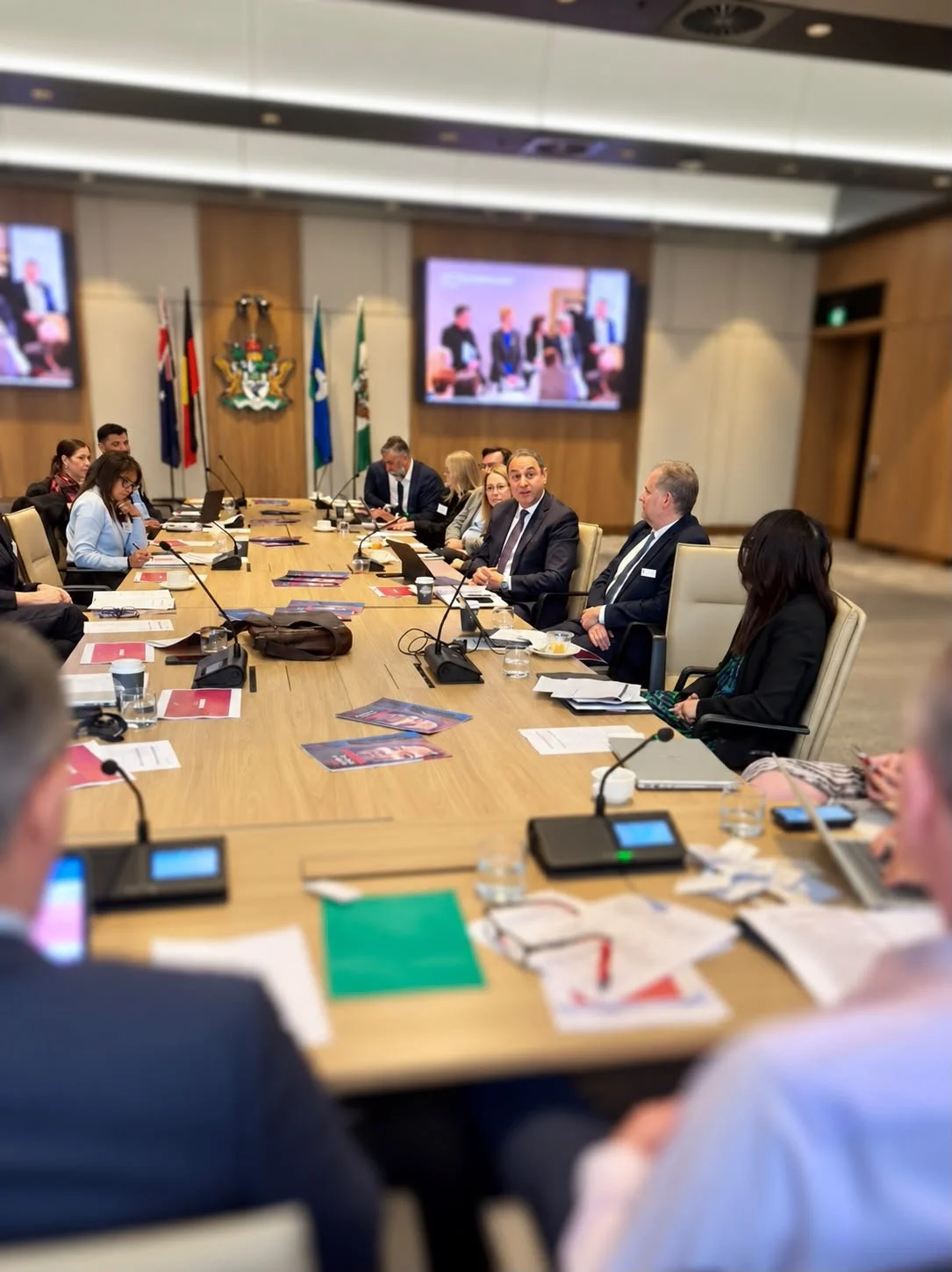
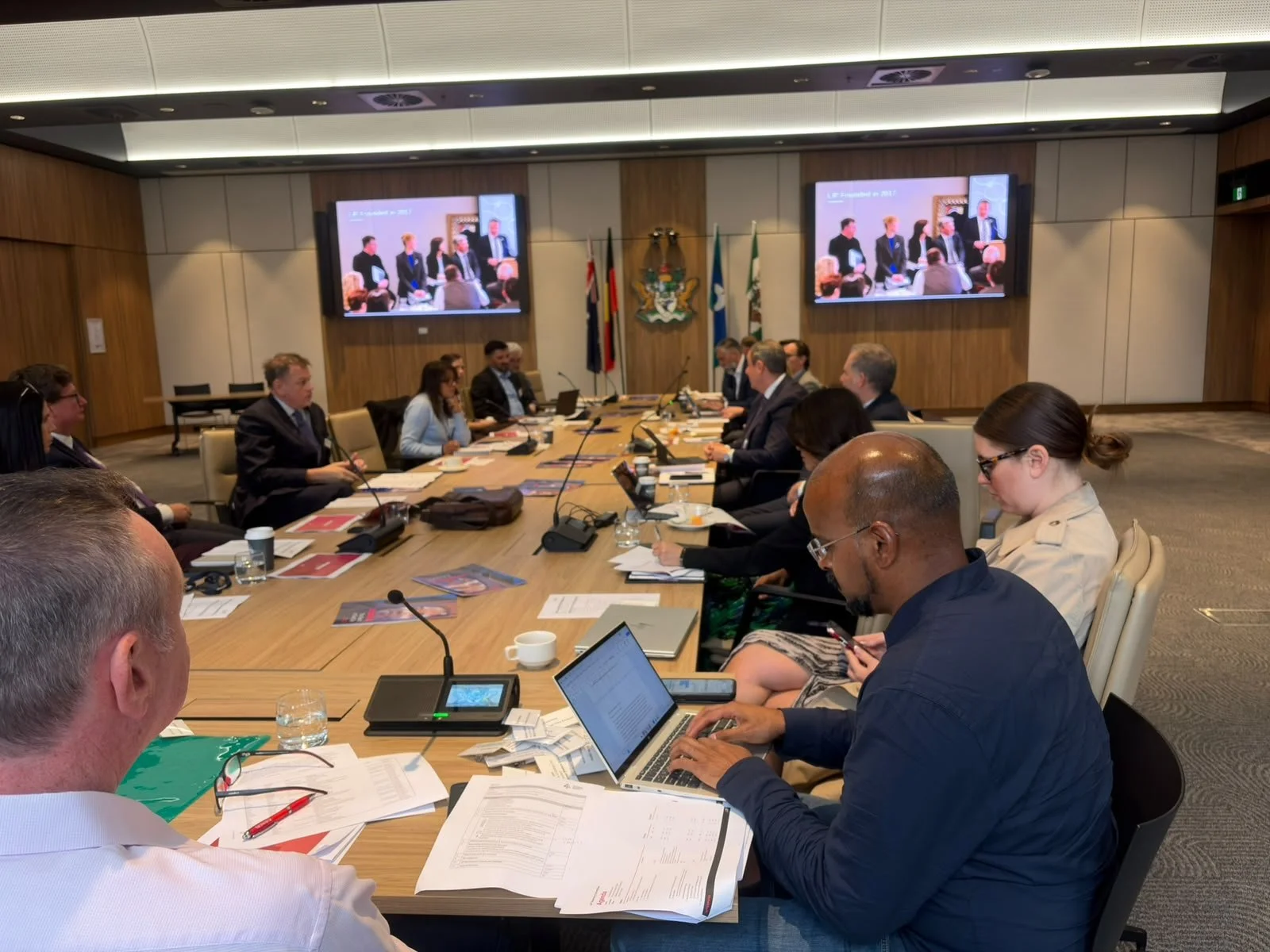
Heads of organisations across Liverpool’s health, education, research and government sectors came together on 10 September for the Liverpool Innovation Precinct’s Steering Committee meeting, focused on strengthening the connections between local education, innovation and employment.
Senior leaders attending included Distinguished Professor George Williams, Vice-Chancellor and President, Western Sydney University; Professor Max Lu, Vice-Chancellor and President, University of Wollongong; Murat Dizdar, Secretary, NSW Department of Education; Professor Alan Rowan, Deputy Vice-Chancellor, University of Wollongong; and Professor Vlado Perkovic, Deputy Vice-Chancellor, UNSW, representing the Vice-Chancellor.
They were joined by Bill Parasiris, Chief Operating Officer, Western Sydney University; Elise Comans, Executive Director, TAFE NSW, representing the Managing Director; Simone Proft, CEO, Ingham Institute; Mayor Ned Mannoun and David Borger, LIP Chair and Executive Director, Business Western Sydney.
A central theme was creating clearer pathways from preschool and school through TAFE and university into local careers. Discussions explored stronger links between institutions, shared facilities and better recognition of prior study to help students move between vocational and higher education.
Health workforce training and research were also priorities, including opportunities to expand nursing education, support clinical placements and connect research with new models of care. Partners discussed how Liverpool’s strengths in medtech, robotics and health technology could support new businesses and more skilled jobs close to home.
With Western Sydney International Airport opening and Bradfield developing nearby, the meeting reinforced the importance of connecting these opportunities with Liverpool’s established institutions. The focus was on practical collaboration that helps local people study, work and build their futures in South Western Sydney.
Visit the Ingham Institute and University of Wollongong
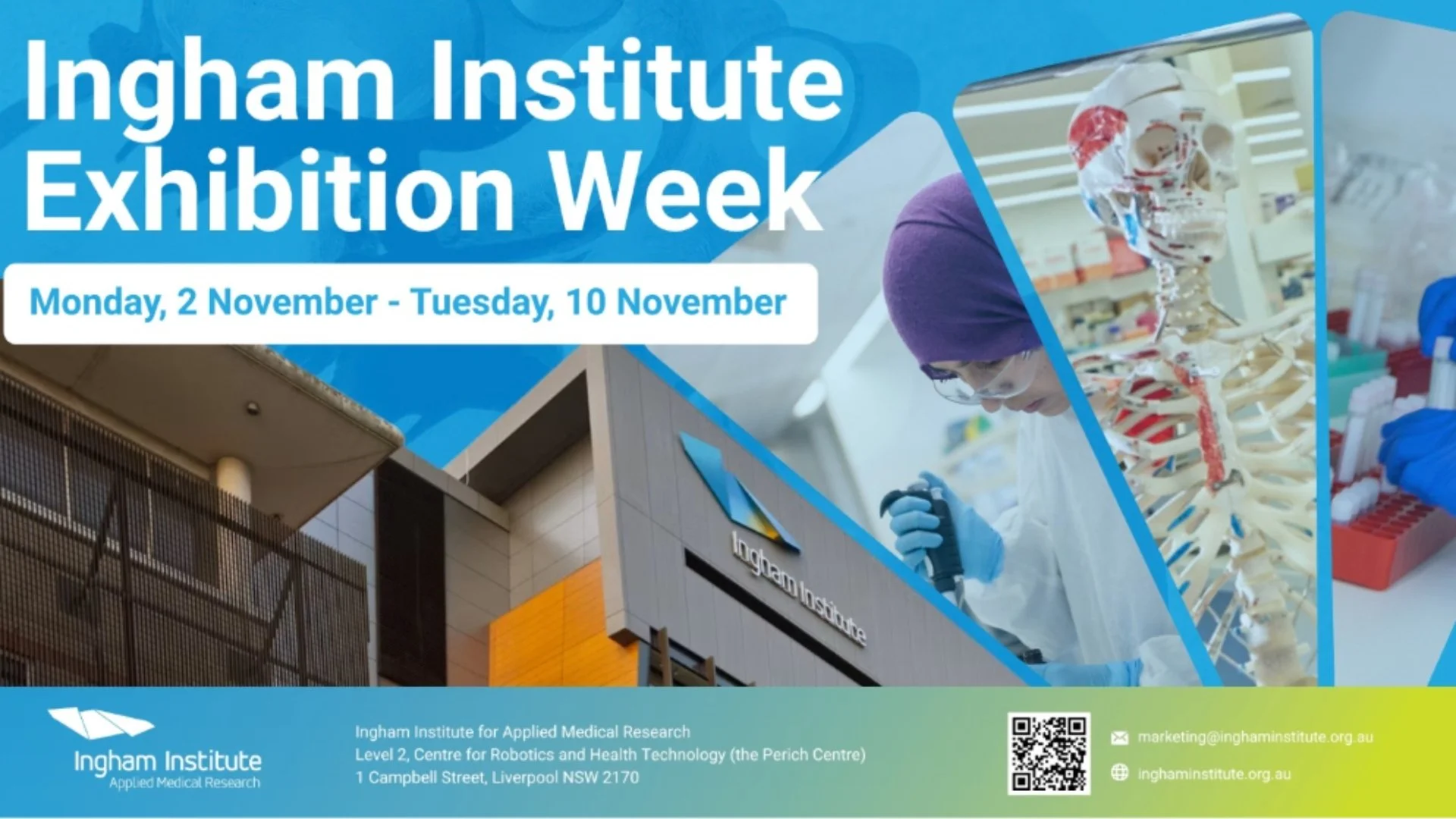
There are two great upcoming opportunities to visit LIP member facilities in Liverpool. This is a great chance to get up close with the research and innovation happening in the LIP, and see insider some of the amazing institutions that make up the LIP.
The Ingham Institute for Applied Medical Research's Exhibition Week will take place from 2 to 10 November 2026 at the Centre for Robotics & Health Technology (Perich Centre), offering a first-hand look at the research, technologies and innovations helping shape the future of healthcare in South Western Sydney.
Visitors can expect to experience emerging health technologies, robotics, interactive demonstrations and research showcases spanning some of the region's most significant health challenges.
From innovations already influencing patient care to discoveries with the potential to transform the future of health, Exhibition Week will offer an exclusive insight into the ideas, people and partnerships driving healthcare innovation in South Western Sydney.
Exhibition Week visits will be available by pre-arranged guided tour only, with attendees required to RSVP in advance to schedule their visit.
At the University of Wollongong (UOW) Liverpool campus you can now book an in-person campus tour to see the world-class university experience in Liverpool Civic Place. Visiting this modern vertical campus you will get to see custom-built learning spaces, quiet study zones, interactive technology and vibrant social hubs.
Key study areas at the campus now include business, computer science and IT, nursing, education, exercise science, social work and law. And in Trimester 2 2027, the campus will expand its postgraduate course offering by introducing postgraduate business degrees through the UOW Sydney Business School alongside the Master of Nursing (Mental Health), providing local professionals access to flexible, career-relevant postgraduate qualifications.
To find out more book an in person tour at this link.
Liverpool Cancer Services Celebrates 30 Years as Advanced CAR T-cell Therapy Arrives
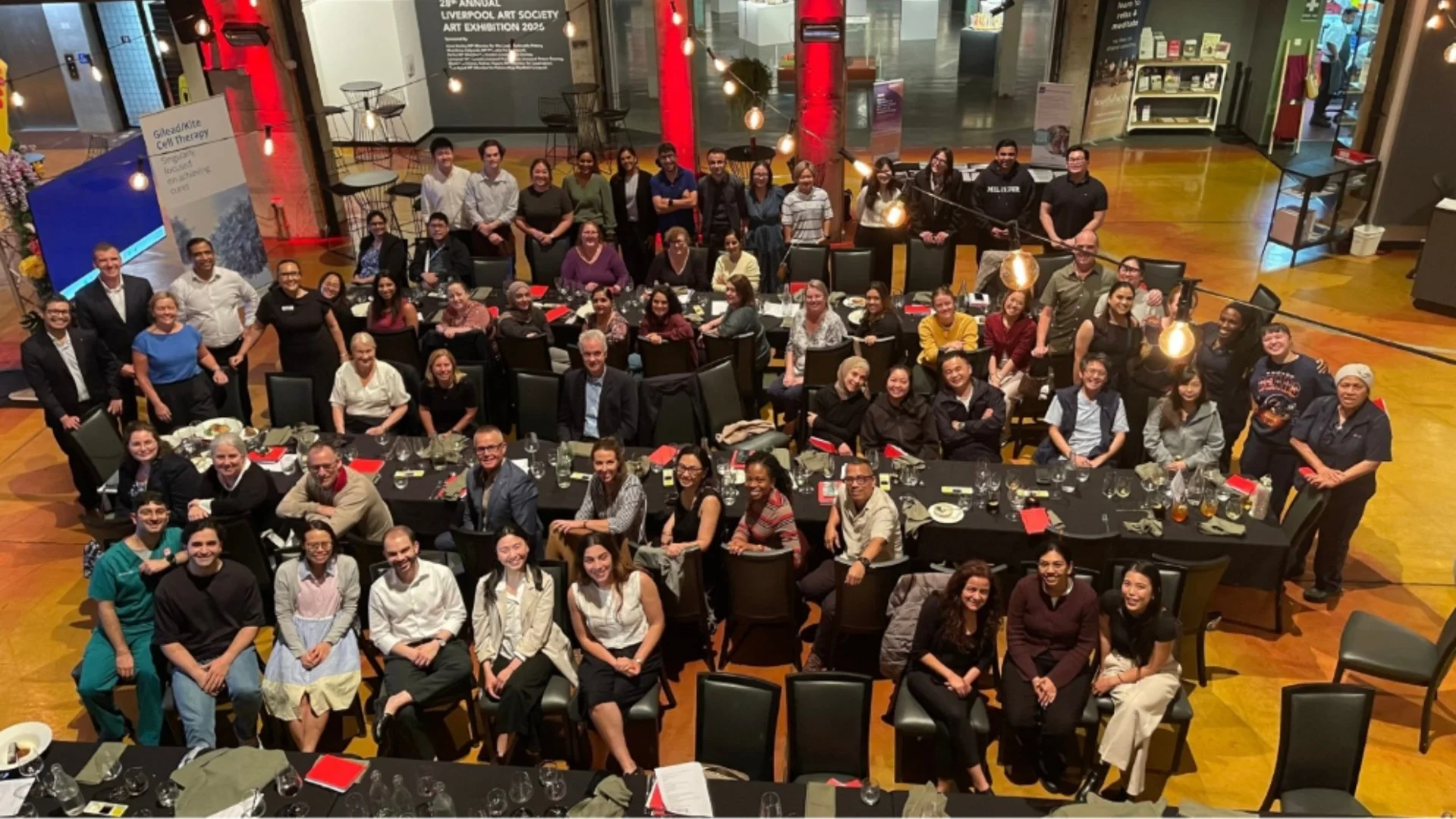
Liverpool Cancer Services has celebrated more than 30 years of providing outstanding cancer care to the people of Liverpool and South Western Sydney, while also marking a major new chapter in its evolution with the launch of Liverpool Hospital's standard of care CAR T-cell therapy program for lymphoma patients.
From the opening of the Cancer Therapy Centre in 1995, Liverpool Cancer Services has grown into a comprehensive cancer service integrating treatment, supportive care, research, education and training. The anniversary recognised the clinicians, nurses, allied health professionals, researchers, pharmacists, administrators, volunteers and community partners whose dedication has helped shape the service over three decades.
That legacy of excellence is continuing through the introduction of CAR T-cell therapy, one of the most advanced forms of cancer treatment available. Launched on 28 September 2026, the program makes Liverpool Hospital one of only four hospitals in NSW providing standard of care CAR T-cell therapy for lymphoma patients, enabling more people in South Western Sydney to access specialised treatment closer to home.
The achievement reflects years of planning and collaboration led by Dr Nag Sungala and multidisciplinary teams across Haematology, Apheresis, Nursing, Pharmacy, Neurology, Intensive Care, Emergency Medicine, Pathology and many other departments.
Together, the 30-year milestone and the introduction of CAR T-cell therapy demonstrate how Liverpool continues to build on its strong foundations to deliver world-class cancer care, research and innovation for the growing South Western Sydney community.
Innovation in Action: Events, Learning and Collaboration Opportunities
There are a number of opportunities to engage with Liverpool’s growing innovation ecosystem in the coming months. Whether you're interested in research, education, entrepreneurship or community impact, the following events provide valuable opportunities to connect, learn and collaborate:
Innovate Western Sydney (17 November 2026) at Bradfield
Hosted by our friends at AMRF Connect, this free conference will explore collaboration, growth and innovation across Western Sydney. The LIP team will be attending, providing a great opportunity to meet us, connect with fellow innovators and entrepreneurs, and experience the Advanced Manufacturing Readiness Facility (AMRF) in action. Tickets available at: https://bradfield.city/whats-on/innovate-western-sydneyUOW Liverpool Summer Master Classes (4-22 January 2027) at the University of Wollongong Liverpool Campus
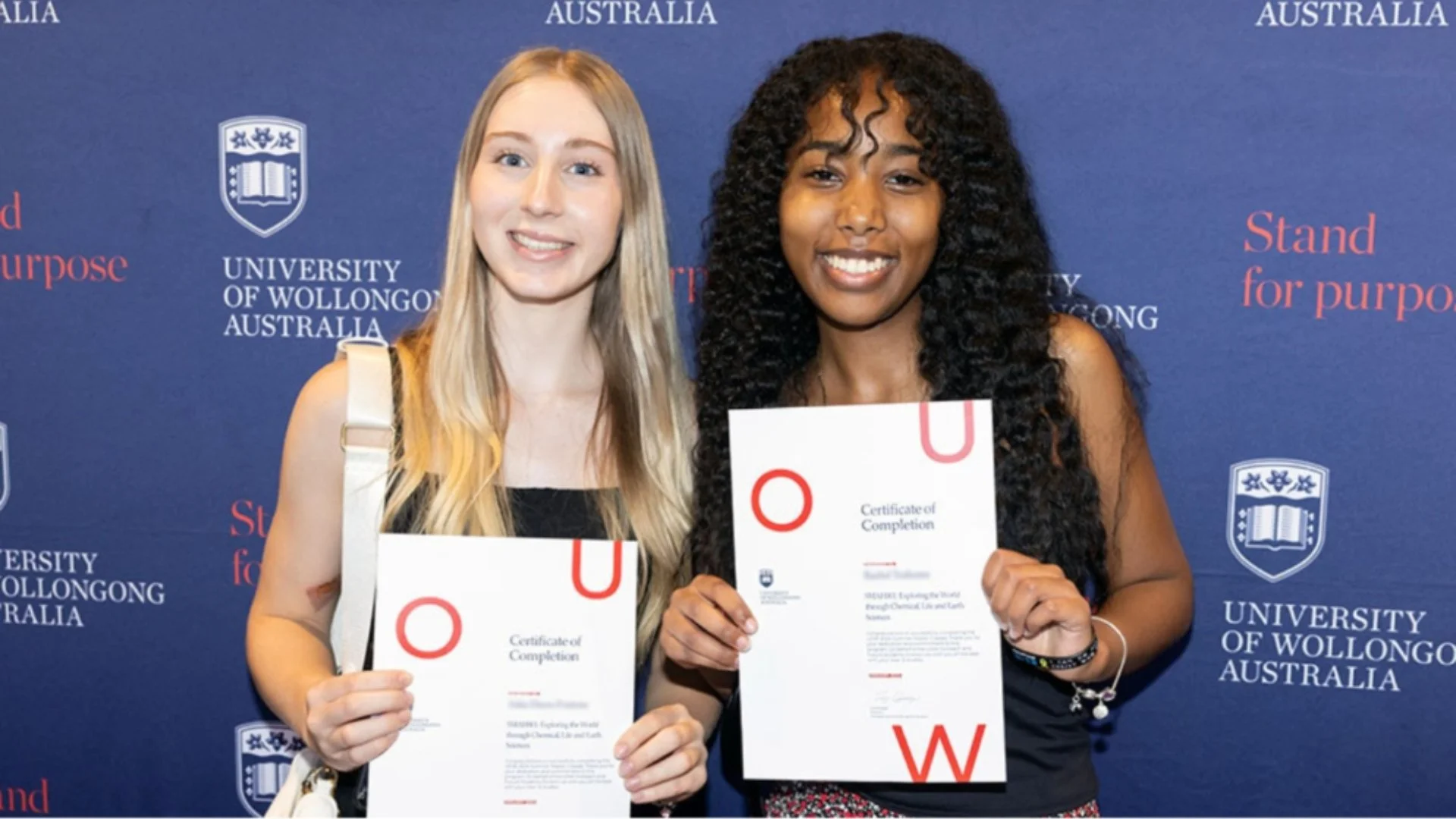
This three-week intensive program gives high school students the opportunity to complete a UOW subject before commencing university. Students can choose from a range of disciplines including STEM and technology, health and society, media and AI, and business. Equity grants covering up to 100% of course fees, along with additional fee support, are available. Applications close on 1 November. More information and applications available at: https://www.uow.edu.au/engage/schools-parents/high-school/summer-master-classes/Together We Can Launch (3 November 2026) at the University of Wollongong Liverpool Campus
This event will launch a new national online hub bringing together evidence-informed resources to support people working with children and young people. Developed to help promote sexual safety, recognise concerns about sexual behaviours and respond with confidence, the initiative combines research, practical tools and cross-sector collaboration. The launch will feature insights and networking opportunities led by Dr Kenny Kor and the UOW team. Secure your place at the launch and join the “Together We Can” initiative to promote youth safety.NSW Youth Summit (1 December 2026) in Liverpool. A free, one-day event that brings bright, bold ideas from NSW youth directly to NSW Government decision-makers, services and community organisations. Applications to attend have now closed, but expect to see even more young people and vibrancy in Liverpool than normal on 1 December! https://www.nsw.gov.au/living-nsw/young-people/nsw-youth-summit-2026